
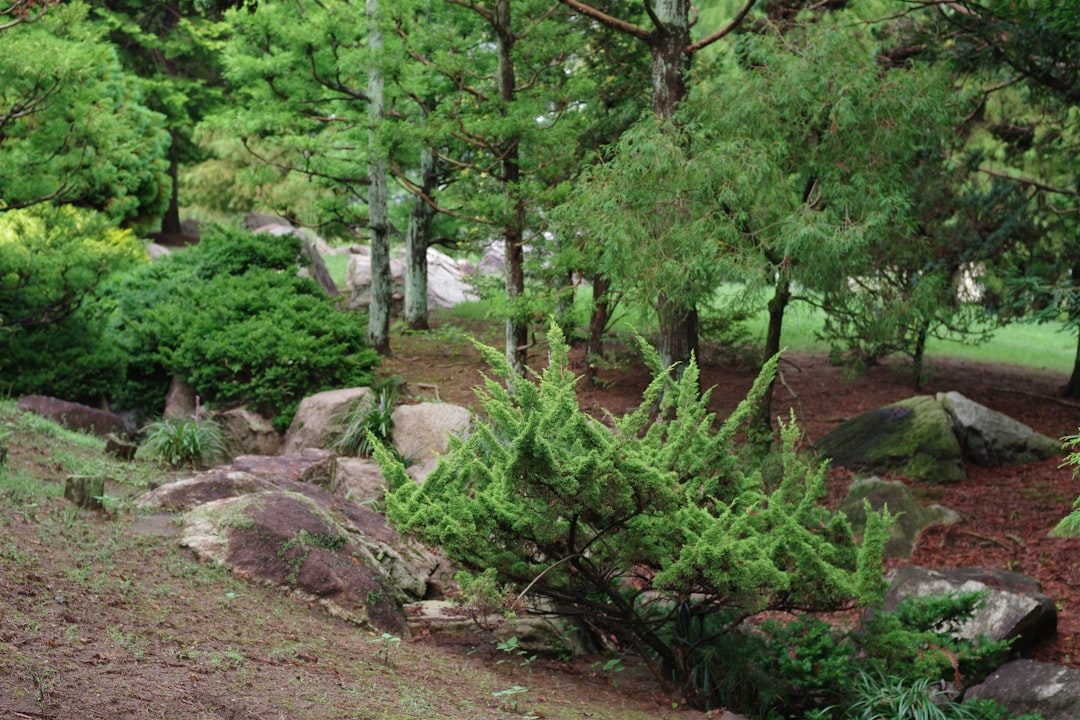
Sustainable Landscaping Practices for Eco-Friendly Gardens
Sustainable landscaping is not just a trend; it is a necessity for creating eco-friendly gardens that benefit both the environment and your home. Many homeowners are unaware of the significant impact their landscaping choices can have on the ecosystem. By adopting sustainable practices, you can enhance the beauty of your outdoor space while also contributing to environmental conservation. This article will explore various sustainable landscaping practices that can help you create a thriving garden.
Myth: Sustainable Landscaping is Expensive
Many people believe that sustainable landscaping requires a hefty investment, which can deter them from making eco-friendly choices. However, the truth is that sustainable practices can often save you money in the long run. By using native plants that require less water and maintenance, you can reduce your gardening costs significantly. Additionally, implementing efficient irrigation systems can lower your water bills while promoting a healthier garden.
Investing in sustainable landscaping does not mean you have to break the bank. There are numerous cost-effective options available, such as mulching and composting, which can enrich your soil and improve plant health without the need for expensive fertilizers. By focusing on sustainable practices, you can create a beautiful garden that is both budget-friendly and environmentally responsible.
Myth: All Plants Are Created Equal
Another common misconception is that any plant can thrive in any environment. In reality, selecting the right plants for your specific climate and soil conditions is crucial for a successful garden. Native plants are adapted to local conditions and require less water and maintenance than non-native species. By choosing native plants, you can create a sustainable garden that supports local wildlife and promotes biodiversity.
Furthermore, native plants often have natural pest resistance, reducing the need for chemical pesticides. This not only benefits your garden but also contributes to a healthier ecosystem. By understanding the importance of plant selection, you can create a thriving garden that is both beautiful and sustainable.
Myth: Sustainable Landscaping is Time-Consuming
Many homeowners shy away from sustainable landscaping due to the belief that it requires excessive time and effort. However, the truth is that once established, sustainable gardens can be low-maintenance and time-efficient. By implementing practices such as xeriscaping, which focuses on water-efficient landscaping, you can create a garden that requires minimal upkeep.
Additionally, incorporating features like drip irrigation systems can automate watering, saving you time and ensuring your plants receive the right amount of moisture. With the right planning and design, sustainable landscaping can free up your time while still allowing you to enjoy a beautiful outdoor space.
Myth: Sustainable Landscaping is Just About Plants
While plants are a significant aspect of sustainable landscaping, it encompasses much more than just greenery. Sustainable landscaping also involves the use of hardscaping elements, such as pathways, patios, and retaining walls, which can enhance the functionality and aesthetics of your garden. By using permeable materials, you can reduce runoff and promote groundwater recharge, contributing to a healthier environment.
Moreover, incorporating features like rain gardens and bioswales can help manage stormwater and prevent erosion. By understanding the broader scope of sustainable landscaping, you can create a more resilient and eco-friendly garden that meets your needs while benefiting the environment.
Conclusion: Embracing Sustainable Practices
In conclusion, embracing sustainable landscaping practices is essential for creating eco-friendly gardens that benefit both homeowners and the environment. By dispelling common myths and understanding the true value of sustainable practices, you can make informed decisions that enhance your outdoor space. From selecting native plants to implementing efficient irrigation systems, every choice you make can contribute to a healthier ecosystem.
As you embark on your sustainable landscaping journey, remember that small changes can lead to significant impacts. By prioritizing sustainability in your garden, you not only create a beautiful space for yourself but also contribute to the well-being of the planet. Start today and transform your garden into an eco-friendly haven that you can enjoy for years to come.